

What is Holi?
Holi is one of the most vibrant and joyful festivals celebrated in India. Known as the “Festival of Colors,” it brings people together in a spirit of happiness, laughter, and togetherness. Unlike many festivals that are calm and devotional in nature, Holi is full of energy, music, and playful celebration. Streets, homes, and open grounds become colorful spaces where people forget differences and celebrate life.
Holi marks the arrival of spring and the end of winter. The change in season is visible in nature — flowers bloom, the weather becomes pleasant, and there is a feeling of freshness all around. This connection with nature is one reason Holi feels lively and full of life. It is not just a religious festival but also a seasonal celebration that welcomes warmth and positivity.
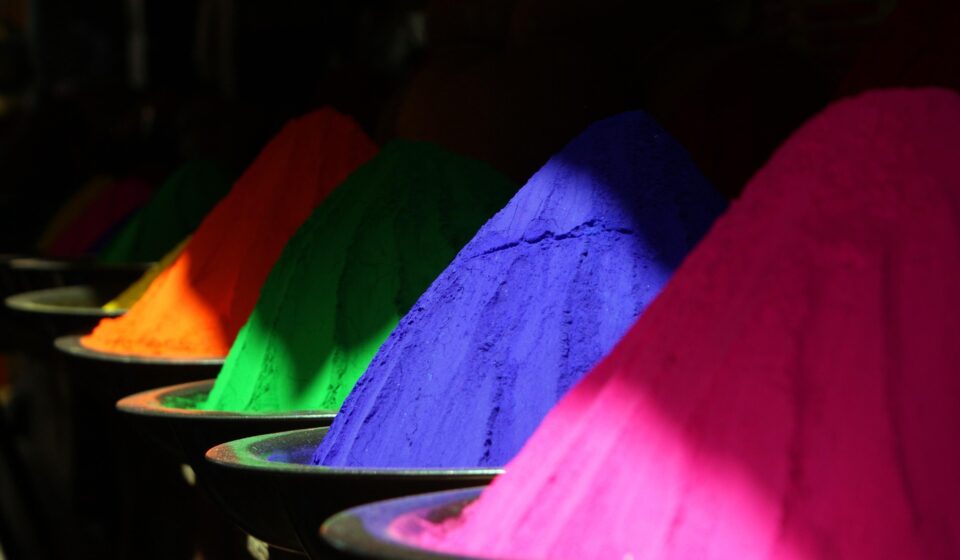
The main highlight of Holi is playing with colors. People apply gulal (colored powder) on each other’s faces, throw colored water, and enjoy music and dance. Children run around with water balloons and pichkaris (water guns), while adults join in the fun. The air fills with laughter, songs, and festive excitement.
Holi is also about relationships. It is a time when people forgive old misunderstandings and start fresh. Friends, neighbors, and relatives visit each other, apply colors, and exchange sweets. The festival breaks social barriers — on this day, everyone looks the same under bright colors, symbolizing equality and unity.
Food is another important part of Holi. Special dishes like gujiya, malpua, dahi bhalla, and thandai are prepared. These traditional foods add sweetness to the celebration and are shared with guests and loved ones.
In different parts of India, Holi is celebrated in unique ways. For example, Lathmar Holi in Barsana, Phoolon wali Holi in Vrindavan, and traditional Holi songs in villages show how diverse yet united the festival is.
Overall, Holi is more than just throwing colors. It represents joy, renewal, friendship, and the beauty of togetherness. It encourages people to leave behind negativity and celebrate life with open hearts.
Why Do We Celebrate Holi?
Holi has deep religious and cultural significance. The most popular story behind Holi is the legend of Prahlad and Holika. Prahlad was a devoted follower of Lord Vishnu, but his father, the demon king Hiranyakashipu, wanted everyone to worship him instead. When Prahlad refused, his father became angry and planned to punish him. Holika, the king’s sister, had a special power that protected her from fire. She sat in a burning fire with Prahlad, hoping he would die. However, her evil intentions caused her powers to fail. She burned, while Prahlad remained safe because of his faith. This story symbolizes the victory of good over evil and devotion over arrogance.
Another tradition connects Holi to Lord Krishna. It is believed that Krishna, who had a dark complexion, playfully applied color on Radha’s face, and this became a joyful custom. This story adds romance and fun to the festival.
Spiritually, Holi teaches that truth, faith, and goodness always win. It encourages people to remove negativity, ego, and anger from their lives and replace them with love and positivity.
How Do We Celebrate Holi? (Step-by-Step)
Holi is not a festival that begins and ends in just a few hours; it is an experience that builds excitement days in advance and leaves behind memories long after the colors fade. The celebration follows a beautiful flow of preparation, rituals, fun, food, and togetherness. Each step carries cultural meaning along with enjoyment.
Preparations begin several days before Holi. Homes are cleaned, just like during other major festivals. Cleaning is not only about hygiene but also symbolizes clearing negativity and making space for positive energy. People shop for colors, sweets, festive foods, and sometimes new clothes. Markets become lively with stalls selling gulal in bright shades, water guns, balloons, and traditional snacks.
The first major step in the Holi celebration is Holika Dahan, which takes place the night before the color festival. Families and communities gather in open spaces where a bonfire is prepared using wood and natural materials. People walk around the fire, offer prayers, and sometimes place grains, coconuts, or symbolic items into the flames. This act represents burning evil, ego, and negativity. It creates a spiritual start to the festival.
On the morning of Holi, the real excitement begins. People wake up early and usually wear old or simple white clothes. White is chosen because it beautifully shows all the colors applied later. Children are often the first to step outside, armed with pichkaris filled with colored water. Soon, streets and neighborhoods come alive with laughter and playful shouting.
The celebration usually starts with applying dry colors, called gulal. People gently put colors on each other’s faces and say festive greetings. This simple gesture breaks the ice and spreads warmth. After that, water colors come into play. Buckets of colored water, balloons, and water guns are used in a playful manner. Music plays loudly, and people dance freely without worry.
Midway through the day, families return home to wash up and rest. Then comes another important part — visiting friends and relatives. People carry sweets and snacks, greet each other, and sit together. Special foods like gujiya, malpua, and savory items are served. Sharing food deepens relationships and spreads happiness.
In many places, community gatherings or Holi parties are organized. These include music, dance performances, and festive games. Such events strengthen social bonds and create a sense of unity.
By evening, celebrations slow down. People clean their homes and themselves, reflecting the idea that fun can exist along with responsibility. The day ends with peace, satisfaction, and a sense of renewal.
Thus, celebrating Holi step-by-step combines tradition, spirituality, joy, food, music, and togetherness, making it one of the most lively festivals in India.
Importance and Meaning of Colors in Holi
Colors are the heart of Holi. Without colors, the festival would lose its identity. But these colors are not used only for fun — they carry deep emotional, cultural, and symbolic meanings that connect people with nature and human feelings.
In Indian culture, colors are closely connected to moods and energies. Holi uses bright shades that represent life and positivity. When people apply color to each other, they symbolically share joy and remove differences. Once faces are covered in colors, it becomes impossible to tell who belongs to which background. This creates a sense of equality and unity.
Each color has its own meaning. Red is linked with love, energy, and strength. It represents warmth in relationships. Yellow, often associated with turmeric, symbolizes health, happiness, and peace. Green stands for new beginnings, growth, and harmony with nature. Blue connects to calmness and the divine, reminding people of Lord Krishna. These meanings make the use of color spiritually rich.
Historically, colors used during Holi were made from natural sources like flowers, herbs, and plants. These natural colors were not harmful and were even beneficial for the skin. They also reflected the seasonal change, as spring brings blooming flowers of many shades. Modern celebrations are now returning to eco-friendly colors to keep the tradition safe.
The act of putting color on someone’s face is also a gesture of friendship. It breaks social barriers. On Holi, strangers can become friends with a simple smile and a touch of color. This is why the festival is seen as a celebration of unity.
Colors also represent emotional release. Life often brings stress and routine, but Holi allows people to express joy freely. Dancing in colors, laughing, and playing creates a sense of freedom.
Thus, colors in Holi are not just powders; they represent love, equality, nature, positivity, and the beauty of human connection.
Holika Dahan Significance and Ritual Meaning
Holika Dahan, observed on the night before the main Holi celebration, is one of the most spiritually meaningful parts of the festival. While the next day is filled with colors and fun, this night is calm, devotional, and symbolic. It reminds people that before joy and celebration, negativity must be removed from life. The ritual is based on the powerful story of Prahlad and Holika, which teaches that faith and truth always win over evil.
According to tradition, communities gather in open areas where a bonfire is prepared using wood, dry leaves, and natural materials. The structure of the fire itself holds symbolism — it represents the pile of negative qualities like ego, anger, jealousy, and dishonesty that people carry within themselves. Lighting the fire is seen as a way of burning these inner flaws and starting fresh.
Families dress in traditional clothes and walk around the fire, a ritual known as parikrama. During this, prayers are offered for protection, health, and happiness. Some people offer grains, coconuts, or seeds into the fire. This act symbolizes letting go of past troubles and planting hopes for a better future. Elders often tell children the story of Prahlad during this time, passing cultural values to the next generation.
Holika Dahan also represents the power of faith. Prahlad’s devotion protected him, while Holika’s evil intention led to her downfall. This teaches that power and pride cannot defeat truth. It encourages people to stay strong in difficult times and believe in goodness.
Socially, this ritual brings communities together. Neighbors gather, talk, and share moments of prayer. It strengthens bonds before the playful celebrations of the next day.
In a deeper sense, Holika Dahan is about self-reflection. The fire reminds people to examine their own actions and remove negativity from their hearts. It is a symbolic cleansing of the mind and soul.
Thus, Holika Dahan is not just a bonfire — it is a reminder that light comes after darkness and that every person has the power to overcome negativity and grow.
Traditional Foods of Holi and Their Cultural Importance
Food is an inseparable part of Holi celebrations. Just as colors add vibrancy to the festival, festive dishes add sweetness and warmth. Preparing and sharing food during Holi is not only about taste; it reflects love, hospitality, and togetherness.
Days before Holi, kitchens become lively. Families, especially women and elders, gather to prepare traditional sweets and snacks. Recipes are often passed down through generations, making food a link between past and present. The most famous Holi sweet is gujiya, a deep-fried pastry filled with khoya, dry fruits, and coconut. Its rich taste represents celebration and abundance.
Another popular dish is malpua, a sweet pancake soaked in syrup. Dahi bhalla or dahi vada, made from lentil dumplings in yogurt, provides a refreshing balance to heavy sweets. Savory snacks like mathri, pakoras, and namak pare are also prepared to serve guests.
A special festive drink called thandai is widely enjoyed. Made with milk, dry fruits, spices, and sometimes rose flavor, it helps cool the body as the weather turns warmer. It also adds a traditional touch to the celebration.
Food plays a role in strengthening relationships. People visit each other’s homes carrying boxes of sweets. Guests are warmly welcomed and offered food, showing respect and affection. Sharing meals creates bonding moments that last beyond the festival.
In villages and small towns, community cooking is common. People prepare large quantities of food together, reinforcing unity. Children learn traditions by watching elders cook, ensuring cultural continuity.
Symbolically, festive food represents gratitude for nature’s blessings. Spring is a harvest season, and the abundance of ingredients reflects prosperity. Eating together reminds people to appreciate life’s joys.
Thus, Holi foods are not just dishes; they are expressions of culture, love, memory, and celebration.
What Cultural Values and Life Lessons Does Holi Teach Us?
Holi is not only about throwing colors and enjoying sweets; it carries deep cultural values and life lessons that have been passed down through generations. Every tradition followed during Holi has a hidden message about how people should live, behave, and treat others. This is one reason the festival remains meaningful even in modern times.
The biggest lesson Holi teaches is forgiveness and fresh beginnings. During the festival, people forget past fights and misunderstandings. Friends who have not spoken for months greet each other warmly. This act reflects the importance of letting go of ego and anger. Life becomes peaceful when people learn to forgive.
Another strong value connected to Holi is equality. When people apply colors to one another, it becomes impossible to tell who is rich or poor, young or old, from a high or low social background. Everyone looks the same under bright colors. This shows that human beings are equal and should treat each other with respect.
Holi also promotes unity in diversity. India is a country with many languages, religions, and cultures, yet Holi is celebrated across regions in different styles. Despite variations, the spirit of joy remains the same. This teaches acceptance of differences while staying united.
The festival encourages joyful living. Daily life often becomes stressful, but Holi reminds people to laugh, dance, and enjoy the present moment. Celebrating together improves emotional well-being.
Holi also teaches faith and positivity through the story of Prahlad. It shows that goodness and devotion protect people even in difficult times. Believing in truth gives strength.
Another important lesson is sharing and generosity. People distribute sweets and food to neighbors and those in need. This develops kindness and compassion.
Respect for relationships is another value. Families gather, elders bless children, and bonds grow stronger. Holi reminds people that relationships are life’s true wealth.
Thus, Holi teaches forgiveness, equality, unity, happiness, faith, sharing, and strong relationships — values that help build a better society.
What Are the Different Types of Holi Celebrations in India?
Holi is celebrated across India, but every region adds its own traditions and style. These different forms make the festival culturally rich and unique while keeping the main spirit of joy and color alive.
One of the most famous celebrations is Lathmar Holi in Barsana and Nandgaon (Uttar Pradesh). Here, women playfully hit men with sticks, and men try to protect themselves. This tradition is linked to stories of Radha and Krishna. It attracts visitors from all over the world.
Another beautiful celebration is Phoolon Wali Holi in Vrindavan, where instead of colors, flowers are showered on devotees in temples. The atmosphere becomes spiritual and peaceful, blending devotion with celebration.
In Mathura and Vrindavan, Holi lasts for many days. Temples organize special events with music, dance, and devotional songs related to Lord Krishna.
In Punjab, Holi takes the form of Hola Mohalla, celebrated by Sikhs. It includes martial arts displays, horse riding, and community meals. This version focuses on bravery and strength.
In West Bengal, Holi is known as Dol Jatra or Basanta Utsav. People wear yellow clothes, sing songs, and celebrate the arrival of spring in a graceful manner.
In Maharashtra, people celebrate with colors and the special dish Puran Poli. In South India, Holi is celebrated more calmly with prayers and family gatherings.
These different styles show how one festival can have many forms. Despite regional differences, the message remains the same — joy, unity, and celebration of life.
Why Are Music and Dance Important in Holi Celebrations?
Holi is incomplete without music and dance. These elements turn the festival from a simple gathering into a lively celebration full of energy. Across India, the sound of drums, songs, and laughter fills the air, creating a festive mood that brings people together.
Music during Holi removes social barriers and brings instant connection among people. When songs start playing, strangers become friends, and everyone joins the celebration. Traditional Holi songs, known as phag or hori, are sung in many regions. These songs often describe stories of Krishna and Radha, adding a devotional touch to the fun.
Dance during Holi is a form of expressing pure happiness and freedom. People do not worry about steps or performance; they dance naturally with joy. This free expression helps reduce stress and spreads positivity. It also improves bonding, as groups dance in circles or together.
In villages, dhol (drums) and folk songs are common, while cities may include DJs and modern music. Despite differences, the goal remains the same — celebration.
Music and dance create emotional release, which makes people feel lighter and happier. They help everyone enjoy the moment fully.
Thus, music and dance are not just entertainment; they are tools of unity, happiness, and cultural expression during Holi.
How to Celebrate a Safe and Eco-Friendly Holi?
While Holi is about enjoyment, celebrating responsibly is very important. A safe and eco-friendly Holi ensures happiness without harming people or nature.
Using natural and herbal colors protects skin, eyes, and the environment. Chemical colors can cause allergies and pollution, so eco-friendly options are better.
Saving water is important during Holi celebrations. Instead of wasting large amounts of water, people can focus more on dry colors. This helps conserve an important natural resource.
Before playing Holi, applying oil or moisturizer on skin and hair helps colors wash off easily. Wearing sunglasses protects eyes.
Respecting others’ comfort is a key rule of safe Holi. Colors should not be forced on anyone. Celebration should spread joy, not discomfort.
Taking care of animals is also important. Loud noise and colors can harm them.
After celebrations, cleaning surroundings keeps the environment healthy.
A responsible Holi means fun with care, respect, and awareness. This ensures the festival remains joyful for everyone.