
What is Navratri and Why Is It Celebrated for 9 Days?
Navratri is one of the most important Hindu festivals dedicated to Goddess Durga and her nine forms. The word “Navratri” means “nine nights,” and each night is devoted to a different form of the goddess. The festival symbolizes the victory of good over evil and the power of divine feminine energy.
Navratri is a celebration of strength, positivity, and the protection of good from evil forces. It reminds people that inner strength and faith can defeat negativity.
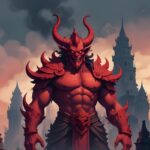
According to belief, Goddess Durga fought a powerful demon named Mahishasura who had received a blessing that made him almost impossible to defeat. The battle lasted nine days and nights, and on the tenth day, Durga finally defeated him. This victory is celebrated as Vijayadashami or Dussehra.
The nine days represent the journey from darkness to light and from weakness to strength. Devotees use this time for prayer, fasting, and spiritual growth.
Each day of Navratri is associated with a different form of Durga, symbolizing courage, knowledge, purity, and power. This structure makes the festival spiritually meaningful.
Navratri is also a seasonal festival marking the change of seasons. People believe it is a time when spiritual energy is high, making prayers more powerful.
Navratri teaches discipline, devotion, and the importance of inner purity.
When is Navratri Celebrated and How Many Times in a Year?
Navratri is celebrated multiple times in a year, but two Navratris are considered most important.
The main Navratri is Sharad Navratri, celebrated in September–October. It leads to Dussehra and later Diwali. This Navratri is widely observed across India.
Chaitra Navratri, celebrated in March–April, marks the Hindu New Year in many regions.
There are also two lesser-known Navratris called Magha Navratri and Ashadha Navratri, mostly observed by spiritual devotees.
Each Navratri lasts for nine nights and ten days. The tenth day is Vijayadashami, symbolizing victory.
The timing of Navratri is linked to seasonal changes, believed to be spiritually powerful periods.
What Are the 9 Forms of Goddess Durga Worshipped in Navratri?
Each day of Navratri is dedicated to a specific form of Goddess Durga.
Day 1 – Shailaputri: Symbol of strength and nature.
Day 2 – Brahmacharini: Represents devotion and penance.
Day 3 – Chandraghanta: Symbol of courage and grace.
Day 4 – Kushmanda: Creator of the universe, source of energy.
Day 5 – Skandamata: Motherly love and protection.
Day 6 – Katyayani: Warrior form, destroys evil.
Day 7 – Kalaratri: Removes darkness and fear.
Day 8 – Mahagauri: Symbol of purity and peace.
Day 9 – Siddhidatri: Grants wisdom and success.
These nine forms represent different qualities needed in life like courage, wisdom, purity, and strength.
How Is Navratri Celebrated in Different Parts of India?
Navratri is one festival that shows the cultural diversity of India in the most beautiful way. Although the spiritual meaning remains the same — worship of Goddess Durga and the victory of good over evil — the way people celebrate changes from region to region. This makes Navratri both a religious and cultural festival.
Navratri is not celebrated in just one way; each state adds its own traditions, music, food, and rituals.
In Gujarat, Navratri is famous for Garba and Dandiya Raas. People gather in large grounds wearing colorful traditional clothes. Women wear chaniya cholis, and men wear kediyas. Circles are formed, and people dance around a lamp or an idol of the goddess. The dance movements are graceful and rhythmic, symbolizing devotion and energy.
Garba represents life and the power of the goddess as the center of existence.
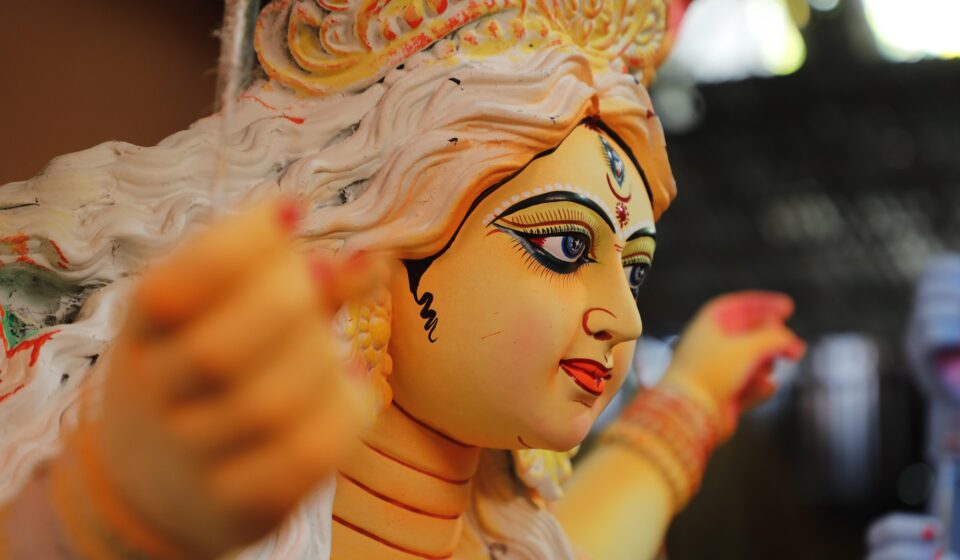
In West Bengal, Navratri is celebrated as Durga Puja. Huge idols of Goddess Durga are created and placed in beautifully decorated pandals. Cultural programs, music, and community gatherings take place for several days. On the final day, idols are immersed in water.
Durga Puja focuses more on artistic expression, community celebration, and devotion.
In North India, people observe fasting, visit temples, and perform Ramleela — a dramatic performance of Lord Rama’s life story. The festival ends with Dussehra, where effigies of Ravana are burned.
In South India, people celebrate with Golu, where dolls and figurines are displayed in steps, representing gods, saints, animals, and daily life scenes.
These different styles show how one festival unites India while preserving regional identity.
What is the Difference Between Navratri and Durga Puja?
Many people get confused between Navratri and Durga Puja, but they are closely connected. Both festivals honor Goddess Durga, but the way they are observed differs.
Navratri is mainly a period of fasting, prayer, and dance, while Durga Puja is a grand public celebration with artistic displays.
Navratri lasts for nine nights and is widely celebrated across India. Devotees fast, chant prayers, and worship the nine forms of Durga.
Durga Puja, mainly in West Bengal and eastern India, focuses on large idols of the goddess slaying Mahishasura. Communities organize big events, decorations, and cultural programs.
Navratri emphasizes personal spiritual discipline, while Durga Puja highlights community celebration and art.
The final day of both festivals marks victory — Vijayadashami or Dussehra.
Why Do People Fast During Navratri and What Foods Are Allowed?
Fasting during Navratri is not just about avoiding regular food; it is a spiritual discipline followed by millions of devotees. People believe that during these nine days, the body and mind should be purified to receive divine blessings.
Navratri fasting is done to cleanse the body, control desires, and focus fully on prayer and devotion.
Devotees avoid grains, onions, garlic, and non-vegetarian food. Instead, they eat special “vrat” foods like fruits, milk, yogurt, sabudana (sago), kuttu (buckwheat flour), singhara atta (water chestnut flour), potatoes, and nuts. These foods are considered pure and easy to digest.
Fasting is also linked to seasonal change, helping the body adjust to weather transition.
Some people fast strictly, eating only once a day, while others eat light meals. The goal is not hunger but discipline and spiritual focus.
Fasting teaches self-control and reminds people that the body should support spiritual growth.
What is the Meaning and Importance of Garba and Dandiya Dance?
Garba and Dandiya are not just dances; they are forms of devotion. They are especially popular in Gujarat but now celebrated worldwide.
Garba is performed in a circular formation around a lamp or goddess idol, symbolizing life moving around divine energy.
The word Garba comes from “Garbha” meaning womb, representing creation and life. The lamp in the center stands for the goddess as the source of power.
Dandiya Raas uses decorated sticks and represents the battle between Durga and Mahishasura.
These dances combine devotion, exercise, music, and social bonding.
They bring communities together and allow people to celebrate with joy and cultural pride.

Other Articles
Diwali (The Festival Of Lights)