

What Is Ganesh Chaturthi and Why Is It Celebrated?
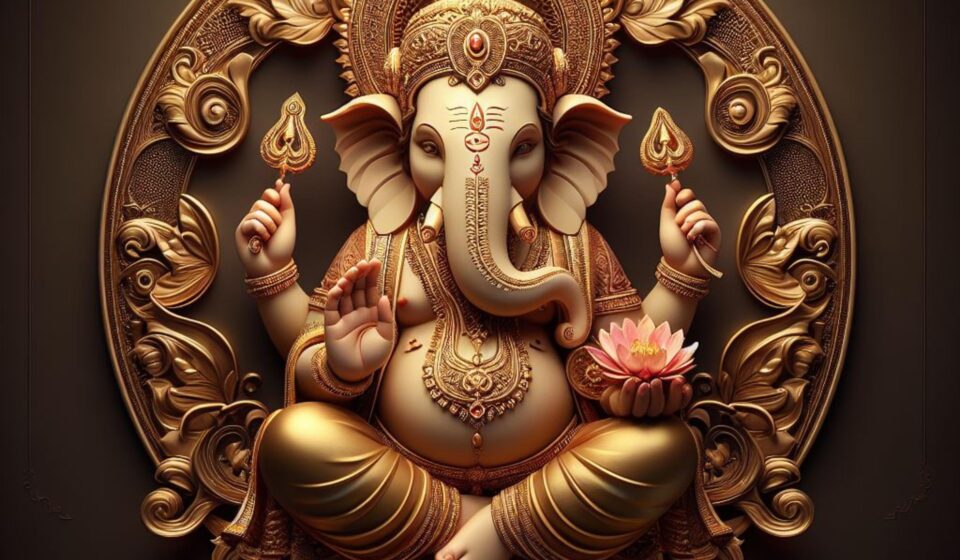
Ganesh Chaturthi is one of the most loved and widely celebrated Hindu festivals dedicated to Lord Ganesha, the elephant-headed god known as the remover of obstacles and the god of wisdom, prosperity, and new beginnings. The festival marks the birth of Lord Ganesha and is celebrated with devotion, joy, music, and grand decorations across India, especially in Maharashtra.
Ganesh Chaturthi celebrates the arrival of Lord Ganesha on Earth to bless his devotees with success, happiness, and protection from difficulties.
According to Hindu belief, Lord Ganesha is worshipped before starting any new work, business, journey, or important event. People believe that praying to him removes hurdles and brings positive outcomes. This is why the festival holds special importance for students, business owners, and families.
The story behind Ganesha’s birth adds deep meaning to the celebration. It is said that Goddess Parvati created Ganesha from sandalwood paste and gave him life. She asked him to guard her door while she bathed. When Lord Shiva tried to enter, Ganesha stopped him, not knowing he was his father. Shiva became angry and cut off Ganesha’s head. Seeing Parvati’s sorrow, Shiva replaced it with an elephant’s head and blessed him with supreme powers.
This story teaches obedience, loyalty, and the idea that mistakes can lead to greater blessings.
Ganesh Chaturthi is not only religious but also social. Public celebrations bring communities together. Large idols are installed in pandals (temporary structures), decorated with lights and flowers. Devotees visit, sing bhajans, and participate in cultural events.
The festival usually lasts from 1½ days to 11 days, ending with visarjan (immersion of the idol in water). This symbolizes the cycle of creation and return to nature.
Ganesh Chaturthi reminds people to welcome new beginnings with faith, remove negativity, and seek wisdom in life.
When Is Ganesh Chaturthi Celebrated and How Long Does the Festival Last?
Ganesh Chaturthi is celebrated on the fourth day (Chaturthi) of the Hindu lunar month of Bhadrapada, which usually falls in August or September. The exact date changes every year because the Hindu calendar follows the movement of the moon rather than fixed calendar dates. This day is believed to be the birth day of Lord Ganesha, the god of wisdom, prosperity, and remover of obstacles.
Ganesh Chaturthi begins on Shukla Paksha Chaturthi of Bhadrapada month, marking the divine arrival of Lord Ganesha on Earth.
The timing of this festival is spiritually significant. It falls during the monsoon season when nature is refreshed and fertile. Many people believe this period is ideal for spiritual practices and prayers. Devotees consider the day highly auspicious for starting new ventures, studies, or important life decisions.
The festival does not end in one day. It continues for different durations depending on family traditions and regional customs. Some families keep the idol for 1½ days, some for 3, 5, 7, or 11 days. The final day is called Anant Chaturdashi, when the idol is immersed in water.
The number of days the idol stays represents devotion, discipline, and spiritual bonding with the deity.
During these days, daily prayers (aarti) are performed in the morning and evening. Devotees sing bhajans, offer sweets, and gather with family. Public celebrations may last all ten or eleven days with cultural events, music, and social programs.
The final day, visarjan, is emotional and joyful. Devotees take the idol in a procession with music and dance before immersing it in water, symbolizing that Ganesha returns to his divine home.
Ganesh Chaturthi’s duration reflects the idea that divine presence blesses the home for a period before returning, reminding people of life’s temporary nature.
How Is Ganesh Chaturthi Celebrated Step-by-Step at Home and in Public?
Ganesh Chaturthi is celebrated with deep devotion, joy, and community spirit. The celebration is not just about rituals but also about welcoming divine energy into homes and society. The festival follows a beautiful sequence of preparation, worship, celebration, and farewell, each step having spiritual meaning.
The festival begins with bringing Lord Ganesha’s idol home or installing it in a public pandal, symbolizing inviting the deity as an honored guest.
Days before the festival, homes are cleaned thoroughly. This represents removing negativity and preparing a pure environment. People decorate their houses with flowers, lights, and rangoli designs. A special platform is prepared where the idol will be placed.
On the day of Ganesh Chaturthi, the idol is brought home with excitement. Some families chant prayers while entering the house. The idol is placed facing the main door or in a clean prayer space.
The most important ritual is Pranapratishtha, where prayers are performed to invoke life and divine presence in the idol. This makes the celebration spiritually meaningful.
Daily worship includes offering flowers, durva grass, coconut, fruits, and sweets. Modak, a sweet dumpling, is believed to be Ganesha’s favorite.
Morning and evening aartis are performed with family members singing devotional songs. The atmosphere becomes joyful and peaceful.
In public celebrations, large idols are installed, and communities organize music programs, cultural events, and charity activities.
The final step is Visarjan (immersion), which symbolizes the return of Ganesha to his divine abode and teaches the cycle of creation and dissolution.
Devotees chant “Ganpati Bappa Morya” while taking the idol for immersion, expressing both joy and emotional farewell.
This step-by-step celebration shows devotion, discipline, family bonding, and community unity.
Why Is Lord Ganesha Known as the Remover of Obstacles and the God of Wisdom?
Lord Ganesha holds a unique and special place in Hindu belief. He is worshipped before starting any new work, journey, or important decision. Whether it is the beginning of studies, marriage, business, or even a small daily task, people first pray to Ganesha. This tradition comes from the belief that he removes obstacles and grants wisdom.
Lord Ganesha is called “Vighnaharta,” which means the remover of obstacles, because he clears difficulties from the path of his devotees.
One reason behind this belief is a story from mythology. Once, the gods wanted someone to guard the entrances of heaven and remove disturbances during important tasks. Ganesha was given this role because of his intelligence and alertness. Since then, he became the protector who prevents problems before they happen.
Another story explains why Ganesha is associated with wisdom. When a competition was held between Ganesha and his brother Kartikeya to circle the world, Kartikeya flew around the earth. Ganesha, however, simply walked around his parents, Shiva and Parvati, saying that they were his world. His answer showed deep understanding and respect.
This story teaches that true wisdom is not only knowledge but also understanding values and relationships.
Ganesha’s physical features also carry meaning. His large head symbolizes thinking big and gaining knowledge. His small eyes represent focus. His big ears mean listening more, and his small mouth suggests speaking less.
The trunk of an elephant is flexible, showing adaptability. His large stomach represents patience and the ability to handle life’s experiences.
Thus, Ganesha is not only a god of luck but also a symbol of intelligence, patience, focus, and balance in life.
This is why people pray to him before beginning something new — to gain clarity, remove hurdles, and achieve success.

Other Articles