
What Do We Do on Diwali?
Diwali is one of the most joyful and meaningful festivals celebrated across India. It is a time when families come together, homes are filled with light, and the air carries excitement and positivity. The preparations start days, sometimes weeks, before the actual festival. People clean their houses thoroughly, believing that a clean home invites good energy and prosperity. Old items are removed, walls are dusted, and many families even repaint their homes. This tradition reflects the idea of starting fresh and removing negativity from life.
Decoration is another important part of Diwali. Homes are decorated with colorful lights, candles, and diyas placed at entrances, windows, balconies, and courtyards. Rangoli designs are made at the doorstep using colored powders, flowers, or rice flour. These designs are not just for beauty but also to welcome guests and bring good luck. Markets become lively as people shop for decorations, clothes, sweets, and gifts.
Wearing new clothes is a common custom. It symbolizes new beginnings and happiness. Children feel especially excited, as they receive gifts, sweets, and sometimes money from elders. Families prepare a variety of traditional foods and sweets at home, while also buying special items from shops.
In the evening, the most important ritual takes place — Lakshmi Puja. Families gather together, light diyas, and pray for prosperity, health, and success. After prayers, people visit relatives, exchange sweets, and share festive meals. Some communities also light fireworks, though many now prefer eco-friendly celebrations.
Overall, Diwali is not just about lights and sweets; it is about togetherness, gratitude, and spreading happiness. It brings people closer and fills homes with warmth and positive energy.
Why Do We Celebrate Diwali?
Diwali holds deep cultural and spiritual meaning. It is not only a festival of lights but also a reminder that good always wins over evil. According to Hindu tradition, Diwali marks the return of Lord Rama to Ayodhya after 14 years of exile and his victory over Ravana. The people of Ayodhya lit rows of oil lamps to welcome him home, and this tradition continues even today.
Another belief is connected to Goddess Lakshmi, the goddess of wealth and prosperity. It is said that on the night of Diwali, she visits homes that are clean, bright, and filled with devotion. That is why people decorate their homes and perform Lakshmi Puja with great faith.
In some regions, Diwali is also linked to Lord Krishna’s victory over the demon Narakasura, which symbolizes the removal of ignorance and negativity. For many business communities, Diwali marks the beginning of a new financial year. New account books are opened, and prayers are offered for success.
Spiritually, Diwali teaches important life lessons. The light of diyas represents knowledge and hope, which remove the darkness of fear and ignorance. The festival encourages forgiveness, renewal of relationships, and gratitude for life’s blessings.
For families, Diwali is a time to reconnect. Busy schedules are set aside, and people focus on spending quality time with loved ones. Sharing sweets and gifts expresses love and appreciation.
So, Diwali is celebrated not just as a tradition but as a symbol of hope, faith, victory, and togetherness. It reminds us to bring light into our own lives and into the lives of others
How Do We Celebrate Diwali? (Step-by-Step)
Step 1: Cleaning the Home
Days before Diwali, families clean every corner of the house. It is believed that cleanliness brings positive energy and invites prosperity.
Step 2: Decoration
Homes are decorated with fairy lights, diyas, candles, torans, and rangoli. The entrance is given special attention.
Step 3: Shopping
People buy new clothes, utensils, decorations, sweets, and gifts. Markets are full of festive energy.
Step 4: Preparing Food
Traditional sweets like laddoos, barfi, and gujiya are prepared. Savory snacks are also made.
Step 5: Lakshmi Puja
In the evening, families gather to pray to Goddess Lakshmi and Lord Ganesha. Offerings include flowers, sweets, fruits, and incense.
Step 6: Lighting Diyas
After the prayer, diyas are lit around the house to spread light and positivity.
Step 7: Exchanging Gifts
Families visit each other and share sweets and gifts as a sign of love.
Step 8: Celebration Time
People enjoy meals, music, laughter, and togetherness.
Step 9: Fireworks (Optional)
Some celebrate with fireworks, though many now choose eco-friendly ways.
Step 10: Gratitude
The day ends with feelings of thankfulness and happiness.
Importance of Diyas and Lights
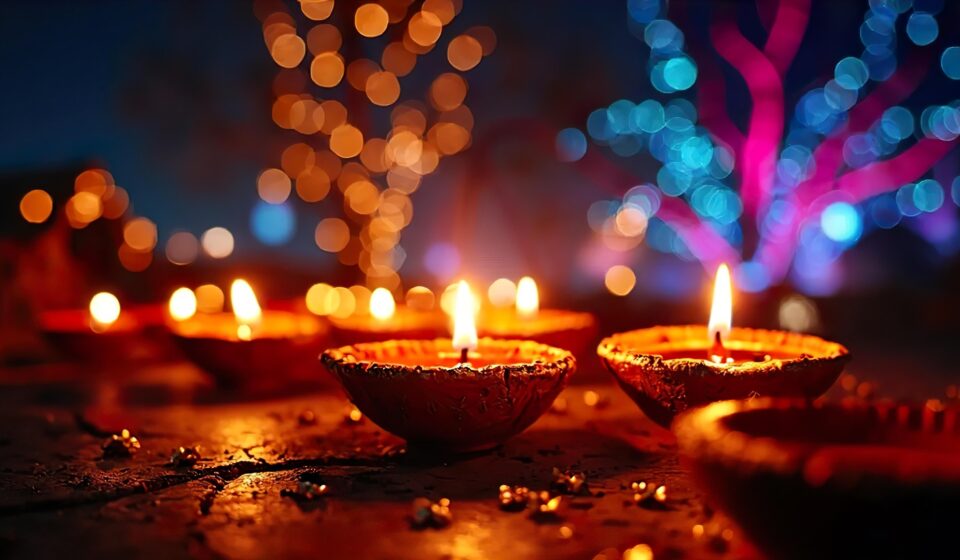
The lighting of diyas is one of the most beautiful and meaningful parts of Diwali. A diya is a small oil lamp made of clay, filled with oil or ghee and a cotton wick. Even though it is simple, it carries deep symbolism. The flame of a diya represents light, knowledge, purity, and hope. When people light diyas, they believe they are removing darkness from their homes and lives. Darkness here does not only mean the absence of light, but also negativity, fear, sadness, and ignorance.
Traditionally, diyas are placed at the entrance of homes, windows, balconies, near temples, and in courtyards. This is believed to guide Goddess Lakshmi into the home, bringing wealth and prosperity. Rows of glowing diyas create a peaceful and spiritual atmosphere that makes the surroundings feel warm and welcoming.
Beyond religion, lighting lamps also brings families together. Children help arrange diyas, elders prepare oil and wicks, and everyone participates. It becomes a moment of togetherness. In modern times, electric lights are also used, but the diya remains special because it connects people to tradition.
The light also reminds us to spread kindness and positivity. Just like one diya can light many others without losing its own flame, one good action can inspire many. That is the true beauty and message behind lighting diyas during Diwali.
Lakshmi Puja Ritual
Lakshmi Puja is the heart of Diwali celebrations. This prayer is performed to seek blessings from Goddess Lakshmi, the goddess of wealth, and Lord Ganesha, the remover of obstacles. Families believe that worshiping with devotion brings prosperity, success, and peace into the home.
Before the puja, the house is cleaned and decorated. A small altar is prepared with idols or pictures of Lakshmi and Ganesha. Flowers, sweets, fruits, incense sticks, and lamps are arranged. Many families also keep new account books or business items to seek blessings for financial growth.
The puja usually begins in the evening. A diya is lit, and prayers or mantras are recited. Offerings like sweets and fruits are presented. Family members sit together, showing unity and devotion. The atmosphere becomes calm and spiritual.
After the puja, prasad (blessed food) is shared among everyone. This moment strengthens family bonds. The ritual is not only about money but also about gratitude and faith. People pray for wisdom, health, and happiness along with wealth.
Lakshmi Puja teaches discipline, devotion, and appreciation for what we have. It reminds families to stay humble and thankful.
Traditional Diwali Foods
Food plays a major role in Diwali. Kitchens become lively as families prepare a variety of sweets and snacks. Making food together brings joy and creates lasting memories. Recipes are often passed down from elders.
Popular sweets include laddoos, barfi, gujiya, jalebi, and kheer. Each region has its own specialties. Along with sweets, savory snacks like chakli, mathri, namak pare, and samosas are made.
Preparing these dishes at home shows love and care. Sharing food with neighbors and relatives strengthens relationships. Guests are always welcomed with sweets and tea.
Food during Diwali is not just about taste. It represents celebration, abundance, and togetherness. The act of sharing teaches generosity and happiness.
Wearing New Clothes
Wearing new clothes on Diwali is a joyful and meaningful tradition followed by people of all ages. It is believed that new clothes symbolize a fresh beginning, positivity, and good fortune for the year ahead. Just as homes are cleaned and decorated, people also prepare themselves to step into the festival with a renewed spirit.
Families usually shop for clothes days before Diwali. Markets become crowded with colorful traditional outfits. Women often wear sarees, lehengas, or salwar suits, while men choose kurtas or traditional attire. Children are especially excited, as they love dressing up in bright, festive clothes.
This tradition is also linked to self-respect and celebration. Dressing well makes people feel confident and happy. It shows that the day is special and different from regular days. New clothes also represent leaving behind old worries and welcoming new opportunities.
Beyond tradition, it is also a way for families to enjoy together. Shopping trips create happy memories. Wearing festive clothes during prayers and family gatherings adds to the beauty of the celebration.
Exchanging Gifts
Gift exchange is one of the sweetest parts of Diwali. It is a way to show love, appreciation, and good wishes. People give sweets, dry fruits, clothes, home décor items, and sometimes personal gifts to family, friends, neighbors, and colleagues.
The tradition strengthens relationships. When gifts are exchanged, misunderstandings are forgotten and bonds become stronger. Even a small gift carries emotional value because it expresses care.
Businesses also exchange gifts with employees and clients as a gesture of gratitude. Children receive chocolates, toys, or money from elders, which adds to their excitement.
The real meaning of gifting lies in sharing happiness. It teaches generosity and kindness. The smile on someone’s face after receiving a gift becomes the true reward.
Cultural Values of Diwali
Diwali is not only a festival but also a lesson in life values. It teaches that light always defeats darkness and good always wins over evil. The festival encourages people to stay hopeful even in difficult times.
Family bonding is another important value. People travel long distances to celebrate together. Respect for elders, love for children, and unity among relatives are strengthened.
Diwali also promotes gratitude. People thank God for blessings and pray for a better future. Sharing food and helping those in need teaches compassion.
The festival brings communities together beyond differences. It spreads peace, harmony, and mutual respect. These cultural values make Diwali meaningful for society.
Safety During Diwali
While Diwali is a time of joy, safety is equally important. Diyas and candles should be placed carefully to avoid fire accidents. Children should always be supervised around lights or fireworks.
Many people now prefer eco-friendly celebrations to reduce pollution. Using fewer crackers helps protect health, animals, and the environment.
Loose clothes should be avoided near flames. Keep water or a fire extinguisher nearby as a precaution. Electrical lights should be used safely to avoid short circuits.
Celebrating responsibly ensures that the festival remains joyful for everyone. A safe Diwali means happiness without harm.

Other Articles
Holi