
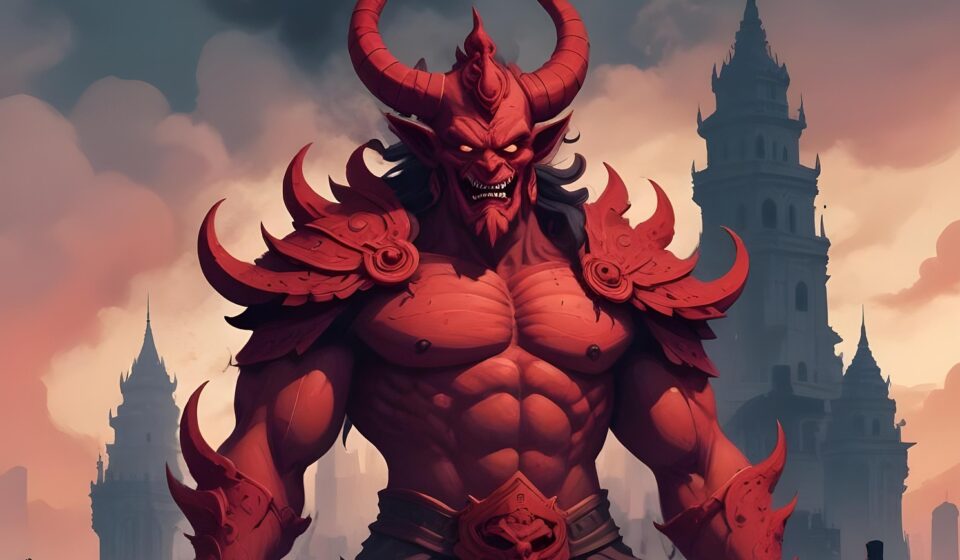

What is Dussehra and Why Is It Celebrated in India?
Dussehra, also known as Vijayadashami, is one of the most meaningful and widely celebrated festivals in India. It marks the victory of good over evil, truth over lies, and righteousness over wrongdoing. The word “Dussehra” comes from Sanskrit, where “Dasha” means ten and “Hara” means defeat, referring to the defeat of the ten-headed demon king Ravana. This festival is not only a religious event but also a cultural symbol that teaches strong moral lessons to society.
Dussehra represents the triumph of good values like honesty, courage, and truth over negative qualities like ego, anger, and greed. The festival reminds people that no matter how powerful evil may appear, it will always be defeated in the end.
The most popular story connected to Dussehra comes from the Hindu epic Ramayana. According to this story, Lord Rama, the prince of Ayodhya, went into exile for fourteen years along with his wife Sita and brother Lakshmana. During this period, Ravana, the powerful king of Lanka, kidnapped Sita. Ravana was highly knowledgeable and strong, but his pride and arrogance led him to misuse his power. Lord Rama gathered an army with the help of Hanuman and the Vanara sena (monkey army) and fought a great battle against Ravana. After days of intense war, Rama finally defeated Ravana on the tenth day. This day became known as Vijayadashami — the Day of Victory.
The burning of Ravana’s effigy during Dussehra is not just a tradition but a symbolic act of destroying inner evils. Ravana’s ten heads represent negative human qualities such as anger, pride, jealousy, selfishness, and dishonesty. By burning his figure, people remind themselves to remove these flaws from their own lives.
Dussehra also has another important connection — the victory of Goddess Durga over the demon Mahishasura. After nine days of battle during Navratri, Durga killed Mahishasura on the tenth day. This makes Dussehra a celebration of divine feminine power as well.
The festival carries deep spiritual meaning, encouraging people to choose the path of righteousness even when facing difficulties. It teaches that patience, faith, and good actions always lead to success.
Culturally, Dussehra brings communities together. In many cities, Ramleela performances are organized, where actors enact scenes from the Ramayana. These performances help pass moral values to younger generations. Families gather in large grounds to watch Ravana effigies burn, followed by fireworks. The atmosphere is full of excitement and positivity.
Dussehra is also considered an auspicious day to start new ventures, education, or journeys. Many people buy vehicles, tools, or start businesses on this day, believing it brings success.
Dussehra is a reminder that every person fights their own inner battle between right and wrong, and choosing good leads to victory.
The festival also promotes unity. People from different regions celebrate in different styles, but the message remains universal — goodness always wins. It encourages society to stand against injustice and protect truth.
In modern times, Dussehra still holds relevance. In a world filled with stress and competition, the festival reminds people to stay humble, avoid arrogance, and practice kindness. The story of Ravana shows that knowledge without humility can lead to downfall.
Thus, Dussehra is not just a festival; it is a lesson in life. It teaches moral strength, devotion, courage, and the power of truth. It inspires people to improve themselves and contribute positively to society.
When is Dussehra Celebrated and What Does Vijayadashami Mean?
Dussehra is celebrated on the tenth day of the Hindu lunar month of Ashwin, which usually falls in September or October according to the Gregorian calendar. The exact date changes every year because Hindu festivals follow the lunar cycle rather than fixed calendar dates. This day comes right after the nine sacred nights of Navratri, making it spiritually powerful and highly auspicious.
Dussehra falls on the tenth day (Dashami) of the bright half of the moon, and this is why it is called Vijayadashami — the Day of Victory. The word itself carries deep meaning: Vijaya means victory, and Dashami means the tenth day. Together, the term represents the success of divine forces over evil powers.
This timing is not random. The nine days before Dussehra are dedicated to the worship of Goddess Durga and her different forms. During these days, devotees pray for strength, wisdom, and protection. On the tenth day, the victory of Durga over Mahishasura is celebrated. At the same time, it is believed that Lord Rama defeated Ravana on this very day. Because two major victories are connected with this date, it is considered one of the most powerful days in the Hindu calendar.
Vijayadashami is believed to be highly auspicious for starting new ventures, education, or important life decisions. Many people buy vehicles, tools, gold, or start new businesses on this day. Students begin learning new subjects, and artists worship their instruments. This tradition comes from the belief that any work started on Vijayadashami will bring success and positive outcomes.
Seasonally, Dussehra also marks an important transition. It comes after the monsoon season and signals the arrival of autumn. The weather becomes pleasant, skies clear up, and nature looks refreshed. In ancient times, kings used to begin military expeditions after Dussehra because the season was suitable for travel and movement. Even today, the day symbolizes readiness and new beginnings.
In South India, Vijayadashami is celebrated as a day of learning and knowledge. Children are introduced to education through a ritual called Vidyarambham. In eastern India, it marks the end of Durga Puja festivities. In North India, it is the climax of Ramleela performances.
The spiritual meaning of Vijayadashami teaches that after patience, discipline, and devotion (represented by the nine days), victory is certain. It is a reminder that success comes after effort and faith.
Thus, Dussehra is not only about a historical or mythological victory but also about personal growth. The date symbolizes the right time to remove negativity, start fresh, and move forward with confidence.
Why Are Effigies of Ravana Burned on Dussehra?
One of the most famous and visually striking traditions of Dussehra is the burning of large effigies of Ravana, along with those of his brother Kumbhkaran and son Meghnath. This ritual is not just a dramatic event with fireworks and crowds; it carries deep symbolic, moral, and spiritual meaning that has been passed down through generations.
The burning of Ravana’s effigy represents the destruction of evil and negative qualities within human beings. Ravana was not an ordinary villain. According to the Ramayana, he was a great scholar, a devotee of Lord Shiva, and a powerful king. However, his intelligence and strength were overshadowed by his ego, pride, and desire for control. These negative qualities led him to make wrong decisions, including the kidnapping of Sita, which ultimately caused his downfall.
The ten heads of Ravana have strong symbolic meaning. They are believed to represent ten human weaknesses: anger, ego, jealousy, greed, pride, lust, attachment, selfishness, injustice, and cruelty. When people watch Ravana burn, they are reminded that these flaws must be destroyed from their own lives. The ritual is a public message that inner evil is more dangerous than outer enemies.
The effigies are usually made of bamboo, paper, and cloth, filled with firecrackers. In the evening, after Ramleela performances that narrate the story of Rama and Ravana, Lord Rama’s character shoots a symbolic arrow at the effigy. As it catches fire and explodes with fireworks, crowds cheer, celebrating the victory of good over evil.
This act also teaches that knowledge without humility can lead to destruction. Ravana was highly learned but misused his wisdom for power and revenge. The story shows that moral values are more important than intelligence alone.
Another important meaning of burning Ravana is social. It brings communities together in large open grounds, where people of all ages gather. Children learn cultural stories, elders recall traditions, and families share the festive atmosphere. The event strengthens social bonds and keeps ancient values alive.
In a deeper sense, the fire represents purification. Just as fire burns impurities, this ritual symbolizes cleansing the mind and soul. It encourages self-reflection: people think about their own mistakes and try to improve themselves.
The burning of Ravana reminds society that evil may appear powerful, but it cannot survive against truth and righteousness.
Even in modern times, this tradition remains relevant. Today’s “Ravanas” can be social evils like corruption, injustice, hatred, and dishonesty. The festival inspires people to stand against such problems.
Thus, the burning of Ravana is not only a celebration but also a moral lesson, a cultural event, and a spiritual reminder that goodness, humility, and truth must guide human life.
What is Ramleela and Why Is It Performed During Dussehra?
Ramleela is a traditional dramatic performance of the story of Lord Rama, based on the epic Ramayana. It is one of the most important cultural activities connected with Dussehra and is performed in towns, villages, and cities across India during the days leading up to Vijayadashami. More than just entertainment, Ramleela is a spiritual, educational, and social tradition that keeps ancient values alive.
Ramleela is performed to remind people of the life, values, and ideals of Lord Rama, who represents truth, duty, and righteousness. Through acting, dialogue, music, and storytelling, audiences witness the journey of Rama from his childhood to the defeat of Ravana.
The performances usually begin during Navratri and continue for nine or ten days. Each day shows a different part of the Ramayana — Rama’s exile, Sita’s kidnapping, Hanuman’s devotion, the building of the bridge to Lanka, and finally the great battle. The final scene, where Rama defeats Ravana, connects directly with the Dussehra celebration.
Ramleela acts as a moral classroom, teaching lessons of honesty, respect for parents, loyalty, and courage. Children and adults learn about right and wrong through these stories. Unlike books, live performances make these lessons more impactful and memorable.
In many places, Ramleela is organized by community groups, and local people take part as actors. This creates unity and teamwork. People from different backgrounds come together to prepare costumes, sets, and music. The event becomes a symbol of community spirit.
The language of Ramleela is often simple so everyone can understand. Traditional songs and dialogues make it emotional and engaging. Even those who know the story still enjoy watching it every year because it strengthens cultural identity.
Ramleela also preserves India’s rich tradition of storytelling, theatre, and devotional art. It connects modern generations with ancient heritage.
Thus, Ramleela is not just a drama; it is a living tradition that spreads values, builds unity, and prepares people spiritually for the message of Dussehra — the victory of good over evil.
How Is Dussehra Celebrated in Different Parts of India?
Dussehra is one of those festivals that truly shows the cultural diversity of India. While the central message remains the victory of good over evil, each region celebrates the festival in its own unique way, adding local traditions, rituals, and artistic expressions. This makes Dussehra not just a religious event but also a grand cultural celebration.
Dussehra is celebrated differently across India, but the core theme of victory of righteousness remains the same everywhere.
In North India, especially in states like Uttar Pradesh, Delhi, Punjab, and Haryana, the most famous tradition is Ramleela followed by the burning of Ravana’s effigies. Large grounds are prepared where thousands gather to watch the final battle scene. When the effigies burn with fireworks, it symbolizes the end of evil.
In West Bengal, Dussehra coincides with the final day of Durga Puja. Beautiful idols of Goddess Durga are worshipped for several days and then taken in grand processions for immersion in rivers. Women perform Sindoor Khela, applying vermillion to each other, symbolizing strength and marital happiness.
In Bengal, the focus is on devotion to Goddess Durga rather than Ravana’s story.
In Mysuru (Karnataka), Dussehra is celebrated as a royal festival called Mysore Dasara. The city is decorated with lights, and a grand procession carries the idol of Goddess Chamundeshwari on a golden howdah mounted on an elephant.
In Himachal Pradesh, the Kullu Dussehra begins when celebrations end elsewhere. Deities from various villages are brought together in a huge gathering, showing unity.
In Maharashtra, people exchange leaves of the Apta tree, calling them symbolic gold, wishing prosperity.
These regional variations show how Dussehra blends devotion, art, culture, and community bonding.
Despite differences, the message is universal — goodness wins, and society must stand against wrong.
What Life Lessons and Moral Values Does Dussehra Teach Us?
Dussehra is not only a festival of celebration; it is a powerful reminder of the moral values that guide human life. The stories associated with Dussehra, especially from the Ramayana, are filled with lessons that remain relevant even in today’s world. This is why the festival is celebrated year after year — not just as a tradition, but as a guide for living a good life.
Dussehra teaches that truth, honesty, and righteousness always win over evil, no matter how strong evil may seem. Lord Rama faced many hardships during his exile. He lost his kingdom, lived in forests, and faced powerful enemies, yet he never left the path of truth. His life shows that difficulties should not make a person choose the wrong path.
One of the biggest lessons is about ego and pride. Ravana was extremely intelligent and powerful, but his ego destroyed him. He refused to admit his mistake and return Sita, even when advised by wise people. This shows that pride can lead to downfall, no matter how capable a person is.
Respect for relationships is another value Dussehra highlights. Rama respected his parents’ words, Lakshmana showed loyalty to his brother, and Hanuman displayed true devotion and service. These characters teach the importance of family bonds, friendship, and loyalty.
The festival also teaches courage and patience. Rama did not rush into action; he planned carefully, built alliances, and faced challenges with calmness. Success often requires patience and teamwork.
Another important lesson is standing against injustice. Dussehra inspires people to speak up against wrong actions in society. Just like Rama fought Ravana to protect dharma (righteousness), people should work for justice and fairness.
The burning of Ravana’s effigy reminds people to burn their inner evils — anger, jealousy, greed, and hatred. The festival encourages self-improvement.
In modern life, these lessons are very important. Stress, competition, and desire for success sometimes make people forget values. Dussehra reminds society that character is more important than power.
Thus, Dussehra is a festival that teaches humility, truthfulness, courage, respect, and the importance of choosing the right path in life.
What Is the Modern Relevance of Dussehra in Today’s Life?
Even though Dussehra is based on ancient stories, its message is still strongly connected to modern life. The world today faces different kinds of challenges such as stress, competition, dishonesty, and social conflicts. The values taught by Dussehra act like guidance for dealing with these issues in a positive way.
Dussehra reminds us that the battle between good and evil happens inside every person, not only in stories. In daily life, people face choices between honesty and cheating, kindness and anger, patience and frustration. The festival encourages people to choose the right path even when it is difficult.
In today’s fast-paced world, ego and pride often create problems in relationships and workplaces. Ravana’s downfall teaches that no matter how educated or successful a person is, arrogance can destroy everything.
The festival promotes self-improvement by asking people to “burn” their bad habits just like Ravana’s effigy. These bad habits may include anger, laziness, jealousy, or dishonesty. Dussehra becomes a time for self-reflection and positive change.
Dussehra also strengthens cultural identity. In a globalized world where traditions can fade, festivals keep communities connected to their roots. Children learn values, history, and culture through celebrations like Ramleela and family rituals.
Another modern relevance is unity. Public celebrations bring people from different backgrounds together. In a time when society often feels divided, such festivals remind people of shared values and harmony.
Dussehra teaches leadership and responsibility through Lord Rama’s example of fairness and duty. Leaders today, whether in families or workplaces, can learn from his patience and justice.
Thus, Dussehra is not only a religious festival but also a life lesson for modern society. It encourages truth, humility, courage, unity, and personal growth, making it meaningful even today.

Other Articles
Navratri/Durga Puja
Beautifully written and very informative! 🌸 This article explains the true meaning of Dussehra in such a simple and meaningful way. I loved how you connected the stories of Lord Rama and Goddess Durga with life lessons that are still relevant today. The explanation of Ravana’s effigy and inner evils was especially thoughtful. A wonderful read that spreads positivity, values, and cultural awareness. Keep sharing such inspiring content!
Hello sir, very nice article